Choosing the Right Window Tint: Types and Legal Considerations

August 27, 2024

Share this article

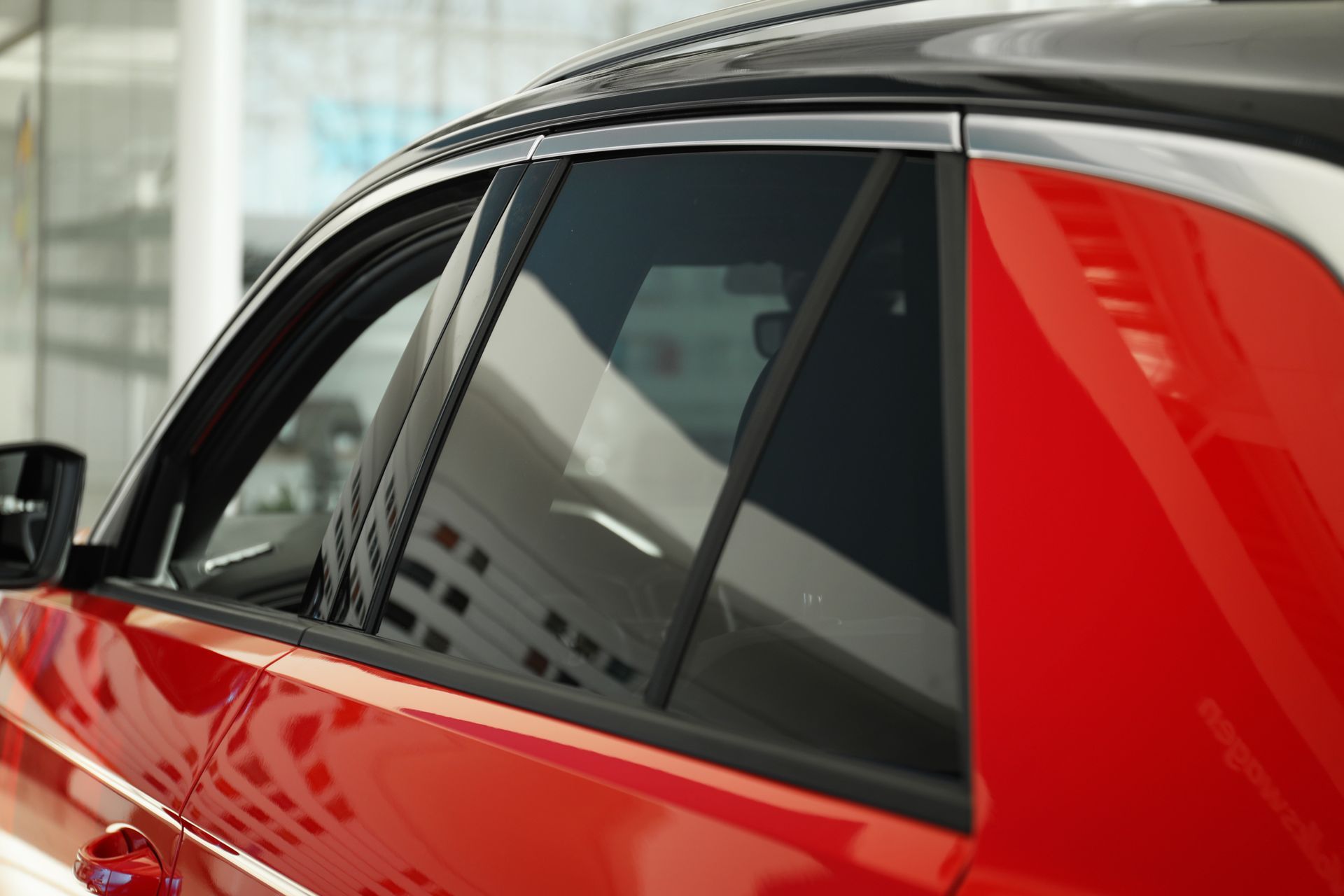
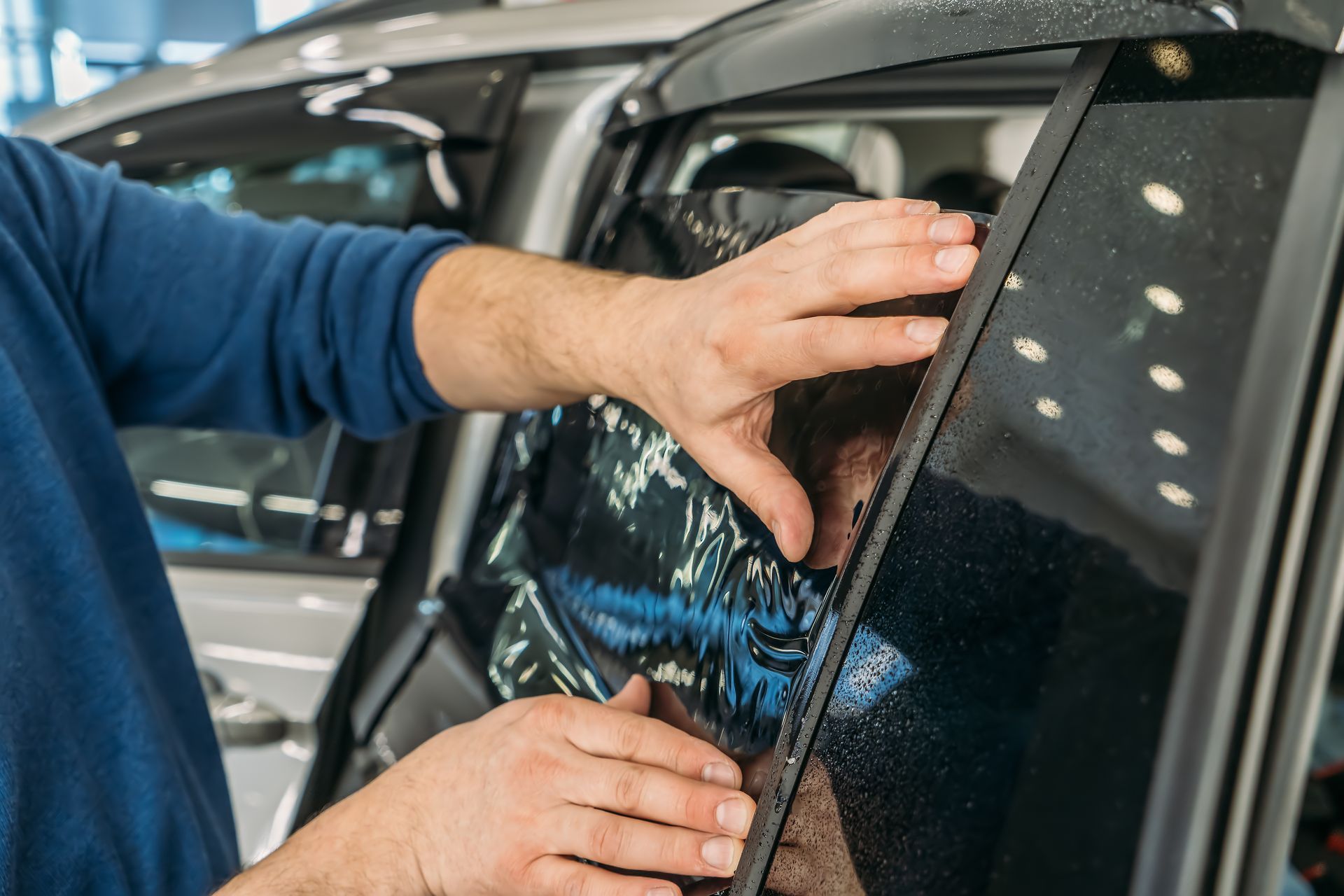
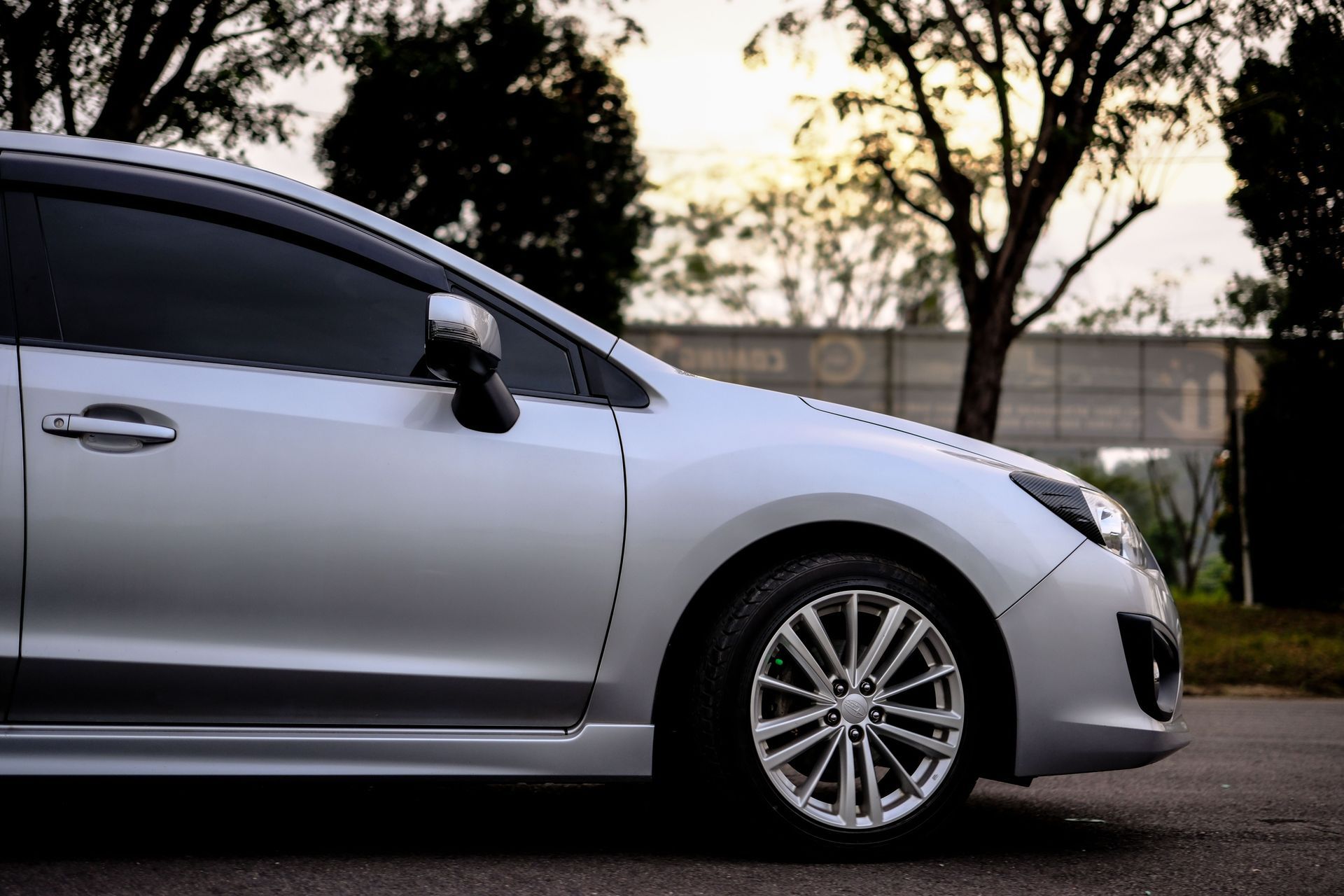
Selecting the right window tint for your vehicle involves more than just choosing a shade you like. It’s important to consider the different types of tints available, their properties, and the legal restrictions in your area. This guide will help you make an informed decision when choosing your car’s window tint.

Types of Window Tints

  1. Dyed Window Tint
  2. Appearance: Opaque, non-reflective
  3. Benefits: Affordable, blocks some heat and glare
  4. Drawbacks: May fade over time, less heat rejection than other types
  5. Metalized Window Tint
  6. Appearance: Shiny, reflective finish
  7. Benefits: Durable, good heat rejection, scratch-resistant
  8. Drawbacks: May interfere with electronic signals (GPS, radio)
  9. Carbon Window Tint
  10. Appearance: Matte finish, dark and sleek
  11. Benefits: Excellent heat rejection, doesn’t fade, no signal interference
  12. Drawbacks: More expensive than dyed or metalized options
  13. Ceramic Window Tint
  14. Appearance: Clear, non-reflective
  15. Benefits: Superior heat and UV rejection, doesn’t fade, no signal interference
  16. Drawbacks: Most expensive option
  17. Crystalline Window Tint
  18. Appearance: Nearly clear, minimal color change
  19. Benefits: Rejects heat and UV rays without darkening windows
  20. Drawbacks: Less privacy, higher cost

Choosing the Right VLT (Visible Light Transmission)

VLT refers to the amount of visible light that passes through the tint:


  • Lower VLT % = Darker tint
  • Higher VLT % = Lighter tint


Common VLT percentages:


  • 50% VLT: Allows 50% of light through, suitable for windshields
  • 35% VLT: Popular for side windows, balances visibility and privacy
  • 20% VLT: Darker tint, often used for rear windows
  • 5% VLT: Very dark, sometimes called “limo tint”

Legal Considerations

Window tint laws vary by location, but typically regulate:


  • Which windows can be tinted
  • How dark the tint can be (minimum VLT %)
  • How reflective the tint can be


Common regulations:


  • Windshield: Often restricted to a tint strip at the top
  • Front side windows: Usually require higher VLT % than rear windows
  • Rear side windows and rear windshield: Often allow darker tints


Always check your local laws before choosing a tint. Some areas require:


  • Tint certification labels on the vehicle
  • Different rules for sedans vs. SUVs/vans

Other Factors to Consider

  1. Climate: Hotter climates may benefit from tints with better heat rejection
  2. Driving habits: Night drivers might prefer lighter tints
  3. Vehicle use: Work vehicles may have different needs than personal cars
  4. Budget: Balance cost with desired features and longevity

Conclusion

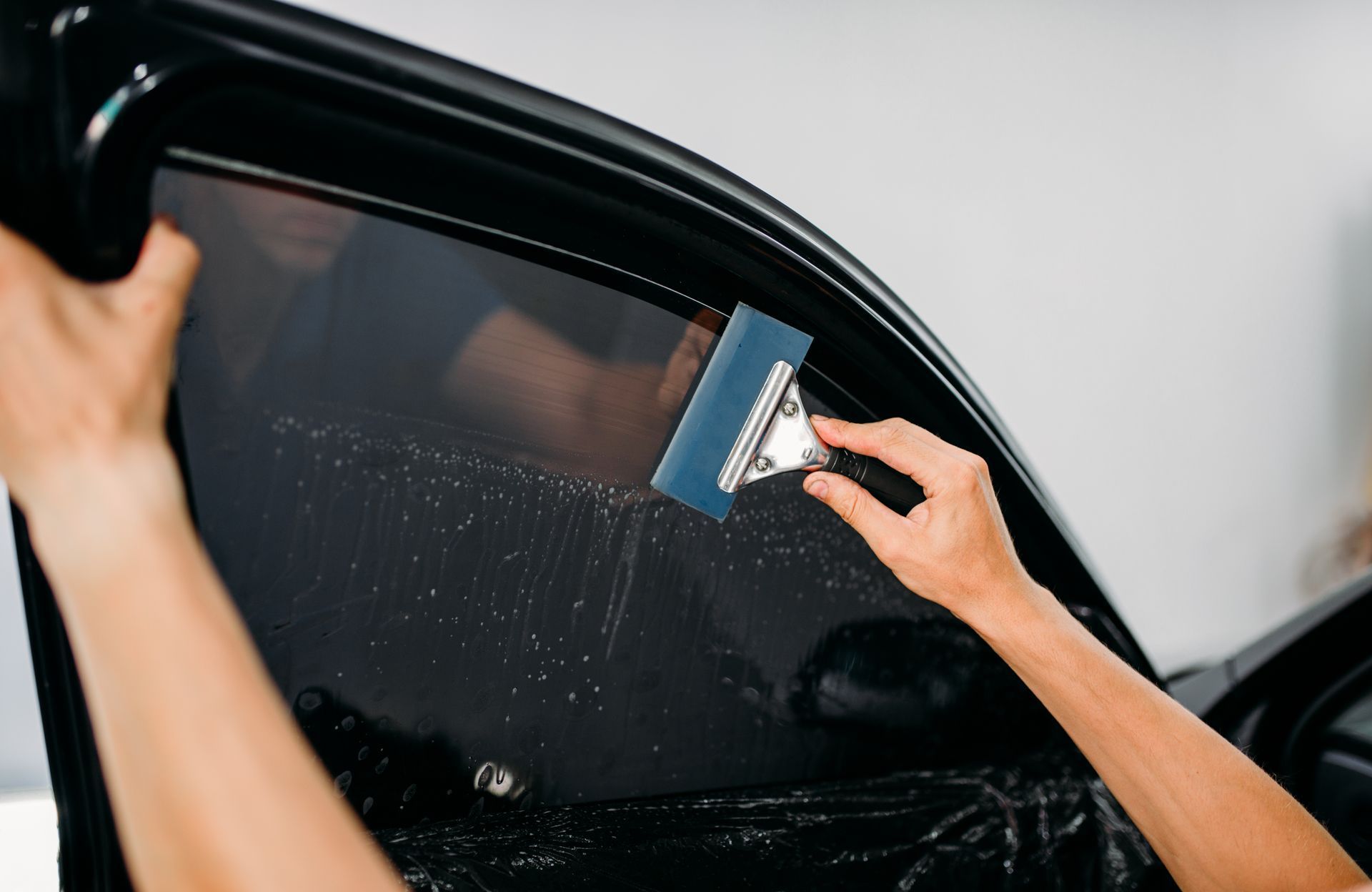
Choosing the right window tint involves balancing aesthetics, functionality, and legal compliance. Consider consulting with a professional tinting service to help you navigate these factors and select the best option for your vehicle and needs. Remember, a quality tint job is an investment in your car’s comfort, efficiency, and style.

Recent Posts

How to maintain your newly tinted windows Denver
June 24, 2026
Proud of your new tinted windows from Pureluxe Tint Co?
Front car window tinting in Broomfield
May 20, 2026
In the picturesque city of Broomfield, where sunny days are plenty, the need for effective vehicle protection is essential.
The best carbon window tinting for cars in Denver
April 15, 2026
If you’re in search of top-quality window tinting in Denver for your vehicle, look no further than Pureluxe Tint Co.

The Window Tinting Process: What to Expect
August 27, 2024
If you’re considering getting your car windows tinted, it’s helpful to understand the process involved.
The Top Benefits of Automotive Window Tinting
October 22, 2018
Window tinting is more than just a cosmetic upgrade for your vehicle.